What Homeowners in Beaufort & Jasper County Should Know
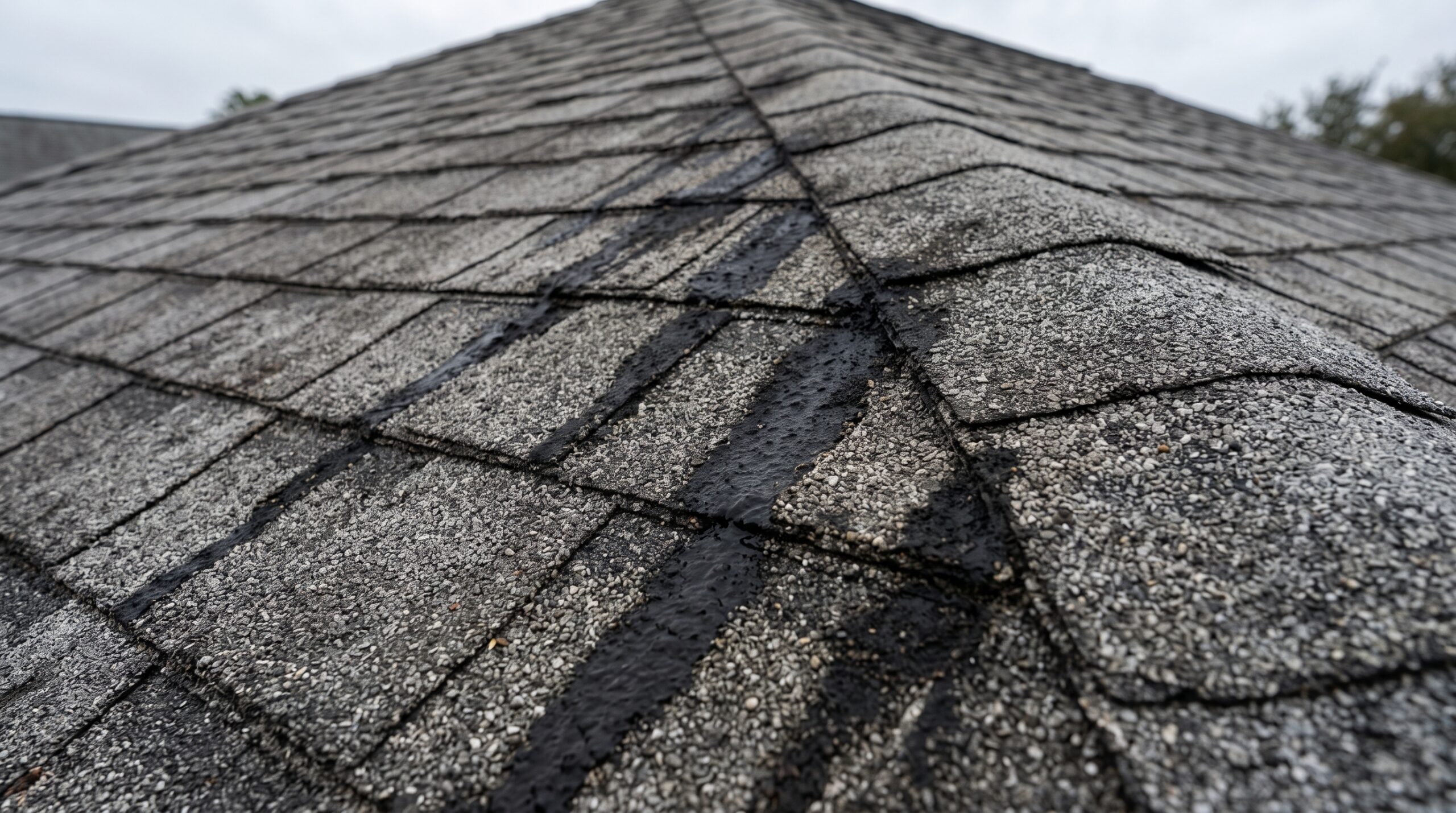
If you’ve looked across your neighborhood recently, you’ve probably noticed it. One roof looks clean and uniform, while the house next door has dark black streaks running down the shingles. Many homeowners assume those stains are simply dirt or signs that the roof is getting old.
In reality, those black streaks are usually something entirely different.
Throughout Beaufort and Jasper County, the combination of warm temperatures, frequent humidity, shaded areas, and regular rainfall creates ideal conditions for algae growth on roofing materials. While the stains often begin as a cosmetic issue, they can become more noticeable over time and may even contribute to the premature aging of your roof if left untreated.
Understanding what causes those streaks—and knowing the safest way to deal with them—can help protect both the appearance and the lifespan of your roof.
What Causes Black Streaks?
The dark discoloration you see on many roofs is most commonly caused by a type of airborne algae known as Gloeocapsa magma.
The algae travels through the air and settles on roofing materials, particularly asphalt shingles. Once it finds the combination of moisture, warmth, and shade that it prefers, it begins to grow and spread across the roof.
Homes throughout Hilton Head Island, Bluffton, Beaufort, Okatie, Hardeeville, Ridgeland, and the surrounding South Carolina Lowcountry are especially susceptible because our climate provides ideal growing conditions for much of the year.
Many homeowners first notice the problem on the north-facing side of the roof or beneath overhanging trees where sunlight is more limited.
Is It Damaging My Roof?
One of the first questions homeowners ask is whether the algae is actually harming the roof.
Initially, the answer is usually no. The black streaks themselves are primarily cosmetic and don’t necessarily mean your roof is failing.
However, as algae continues to spread, it can trap moisture on the surface of the shingles. Combined with heavy humidity and frequent rainfall, that extra moisture may contribute to additional biological growth such as moss or lichen, both of which can be more damaging over time.
Keeping your roof clean and scheduling regular inspections allows these conditions to be identified before they become more significant.
Why Does It Seem Worse in the Lowcountry?
The South Carolina Lowcountry creates almost perfect conditions for algae growth.
Warm temperatures extend through much of the year. Humidity remains consistently high. Afternoon thunderstorms provide frequent moisture, while nearby marshes, rivers, and coastal air contribute additional humidity.
These environmental conditions don’t mean your roof was installed improperly. They simply mean your roof requires more routine maintenance than one located in a drier climate.
This is one reason homeowners throughout Beaufort and Jasper County often notice roof staining years before friends or family living farther inland.
Should You Pressure Wash Your Roof?
This is one of the biggest mistakes homeowners make.
Although pressure washing may seem like the quickest solution, high-pressure water can actually damage asphalt shingles by removing protective granules that help shield the roof from ultraviolet rays.
Once those granules are removed, the shingles begin aging more quickly and may lose years of their expected lifespan.
Instead, professional roof cleaning typically involves low-pressure “soft washing” methods designed specifically for roofing materials. These specialized cleaning solutions remove algae while protecting the integrity of the roofing system.
If you’re considering having your roof cleaned, always make sure the contractor uses methods approved for your specific roofing material.
Can New Roofs Resist Algae?
Many modern roofing products are manufactured with algae-resistant technology.
Certain GAF architectural shingles, for example, include specialized copper-containing granules that help inhibit algae growth and keep roofs looking cleaner for longer.
While no roofing system is completely maintenance-free, choosing high-quality roofing materials can significantly reduce future staining and improve long-term appearance.
As a GAF Certified roofing contractor, Reliable Roofing Pros installs roofing systems according to GAF’s strict installation standards, helping homeowners receive the full benefit of today’s advanced roofing technology.
When Should Black Streaks Be Evaluated?
Although roof staining is often cosmetic, it’s a good idea to schedule a professional inspection if:
- The staining has become widespread.
- Moss or lichen is beginning to develop.
- You notice loose or damaged shingles.
- The roof is more than ten years old.
- You haven’t had a professional inspection in several years.
An inspection can determine whether the discoloration is simply algae or whether additional maintenance or repairs are recommended.
Prevention Is Easier Than Restoration
Once algae becomes established, removing it is more difficult than preventing it in the first place.
Routine roof inspections, proper attic ventilation, trimming overhanging tree limbs when appropriate, and selecting quality roofing materials all help reduce the conditions that allow algae to thrive.
Most importantly, avoid waiting until staining becomes severe. Addressing the issue early helps maintain your home’s appearance while protecting your roofing investment.
A Clean Roof Does More Than Improve Curb Appeal
Your roof is one of the first things people notice about your home. While black streaks may begin as a cosmetic concern, they can also signal that it’s time for a professional evaluation.
Whether your roof simply needs cleaning, minor repairs, or an inspection to assess its overall condition, taking action early is almost always the smartest approach.
About Reliable Roofing Pros
Reliable Roofing Pros is a locally owned, GAF Certified roofing company specializing in residential roof replacement, roof repair, storm damage restoration, metal roofing, and architectural shingle installation throughout Beaufort and Jasper County. We believe homeowners deserve honest advice, exceptional craftsmanship, and roofing systems built to protect what matters most.
Whether you need a simple repair, a complete roof replacement, or the peace of mind that comes with a professional roof inspection, our experienced team is here to help.
Call Reliable Roofing Pros today at 843-575-1686 to schedule your roof inspection or request a free estimate.
Frequently Asked Questions
What causes black streaks on my roof?
The most common cause is Gloeocapsa magma, an airborne algae that thrives in warm, humid climates like the South Carolina Lowcountry.
Are black streaks on a roof dangerous?
Usually they’re cosmetic at first, but over time algae can contribute to conditions that encourage moss, lichen, and moisture retention, which may shorten the life of your roof.
Can I pressure wash my roof?
No. High-pressure washing can remove the protective granules from asphalt shingles and may shorten the life of your roofing system. Soft washing is the preferred cleaning method.
Do GAF shingles resist algae?
Yes. Many GAF architectural shingles include algae-resistant technology that helps reduce the growth of black streaks and keeps roofs looking cleaner longer.